Ataturk's First Relief Sculpture: A Symbol of Art and National Pride
The Creation and Significance of Atatürk's First Medallion
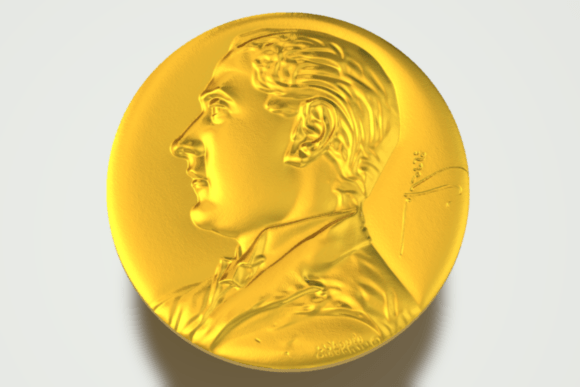
Eduard Hanisch-Concee, a German sculptor and medal designer, crafted a unique medallion in 1926 that would become a significant piece of art and a symbol of national pride for Turkey. This medallion, known as Atatürk's First Relief Sculpture, was not just an artistic creation but also a testament to the admiration and respect Mustafa Kemal Atatürk, the founder of modern Turkey, commanded.
Meeting with Atatürk and the Signature
On May 31, 1926, Eduard Hanisch-Concee had the honor of meeting Atatürk during his visit to Bursa. During this meeting, Hanisch-Concee presented Atatürk with the relief medallion he had meticulously designed. The medallion, signed "E. Hanisch, Angora Ankara 1926," featured a diameter of 5 cm and was intricately detailed. Atatürk's appreciation for the artwork was evident, and he signed the medallion, marking it with his personal approval. This act was unprecedented, as no president or king had ever signed such a medallion before, making it a significant moment in the history of both art and statecraft.
Production and Distribution of the Medallions
Following the meeting, two types of medallions were produced: one for wall mounting and another for chest mounting. These medallions were sold with all proceeds going to the newly established Turkish Aviation Society, which aimed to support and develop Turkey's nascent aviation industry. The medallions, particularly the wall-mounted version, became highly sought after, and only a few have survived to this day, making them rare and valuable artifacts.
The Legacy and Impact of the Medallion
The medallion created by Hanisch-Concee is not just a piece of art but also a historical artifact that embodies the spirit of early 20th-century Turkey. It reflects the admiration and support Atatürk had for the arts and the nation's progress. The medallion's survival and continued relevance highlight its importance in Turkish cultural and historical contexts. Today, it stands as a symbol of the close relationship between art and national identity, and it continues to inspire artists and historians alike.
Preservation and Auction of the Medallion
The surviving examples of Atatürk's First Relief Sculpture are now treasured items, often featured in auctions and private collections. One such example, a wall-mounted medallion, has been offered in recent auctions, drawing attention from collectors and enthusiasts around the world. The medallion's rarity and historical significance make it a valuable addition to any collection, and its auction highlights the enduring interest in Atatürk and the early years of the Turkish Republic.
Conclusion: A Timeless Symbol of Art and Admiration
Atatürk's First Relief Sculpture, created by Eduard Hanisch-Concee, is a remarkable piece of art that bridges the realms of sculpture, numismatics, and national history. Its creation, presentation, and subsequent distribution tell a story of artistic innovation, national pride, and the visionary leadership of Mustafa Kemal Atatürk. As a lasting symbol of this unique period, the medallion continues to captivate and inspire, serving as a timeless reminder of the power of art to unite and elevate a nation.